3D Rendering Vs Enhanced Photorealistic Rendering
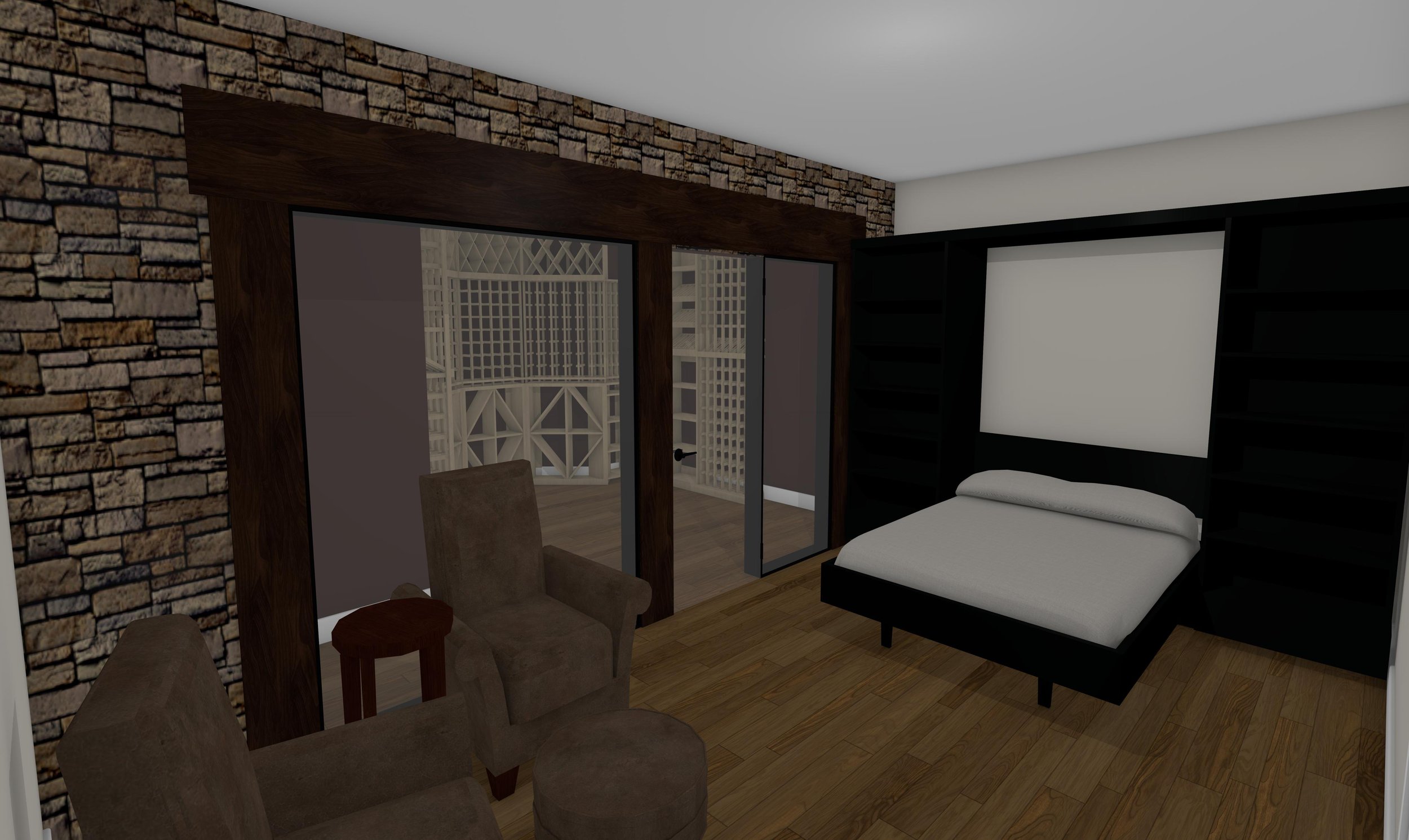
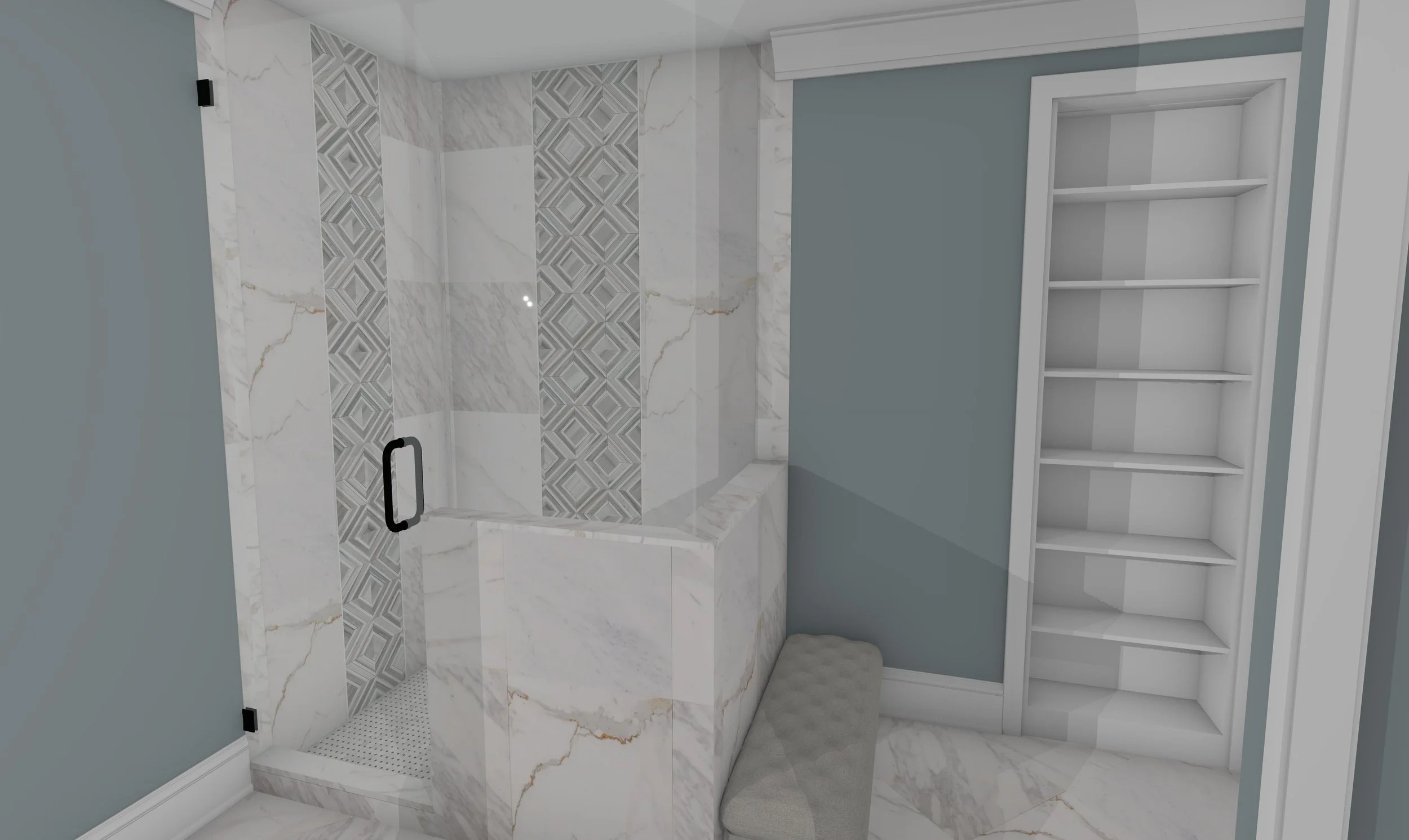
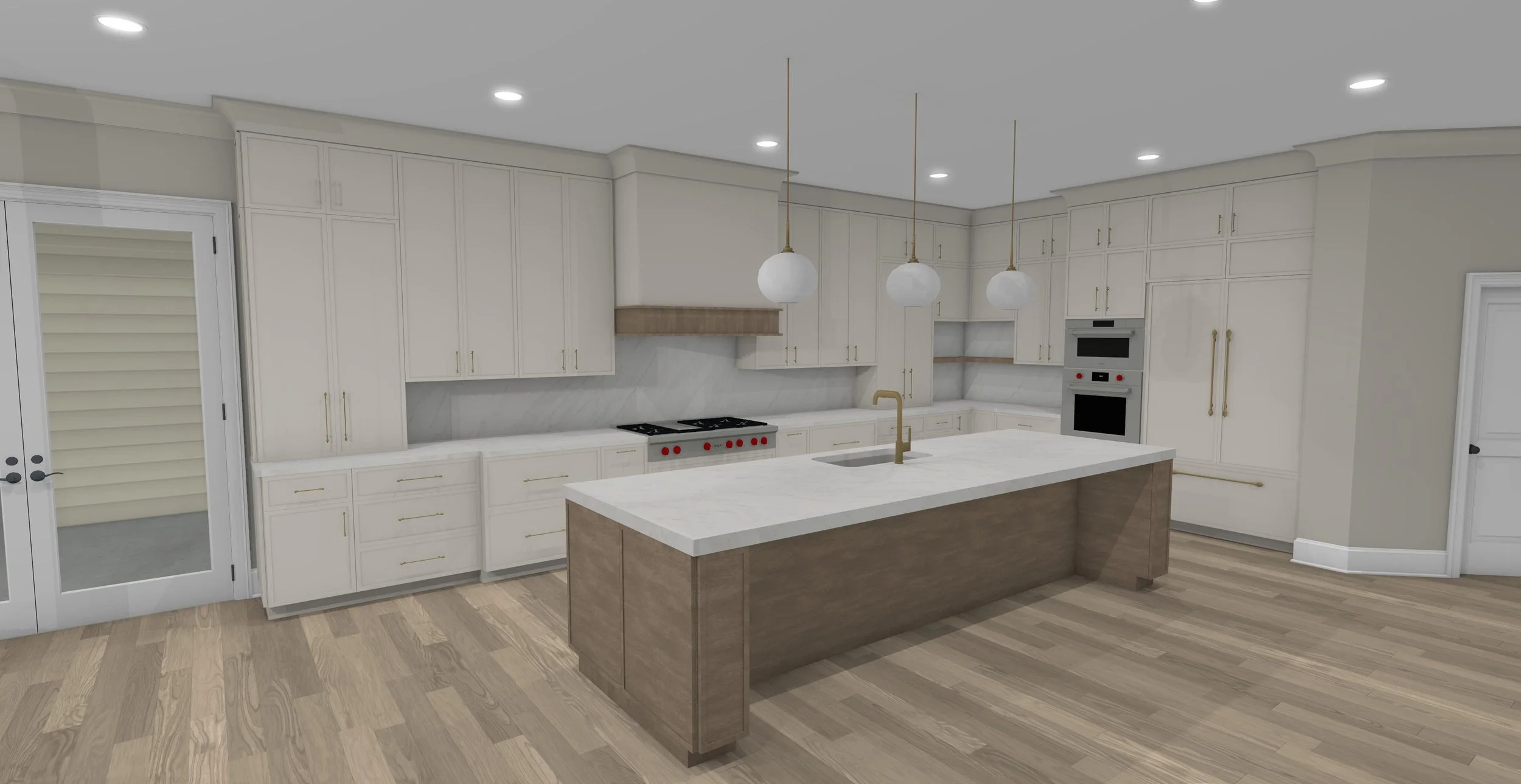
Every design package includes detailed 3D modeling created in Home Designer software. These renderings are built directly from the project’s floor plans, elevations, cabinetry layouts, and dimensions, allowing clients to see their space in three dimensions before construction begins. The models accurately reflect the proposed layout, room proportions, cabinet configurations, appliance locations, architectural elements, and overall spatial relationships within the design.
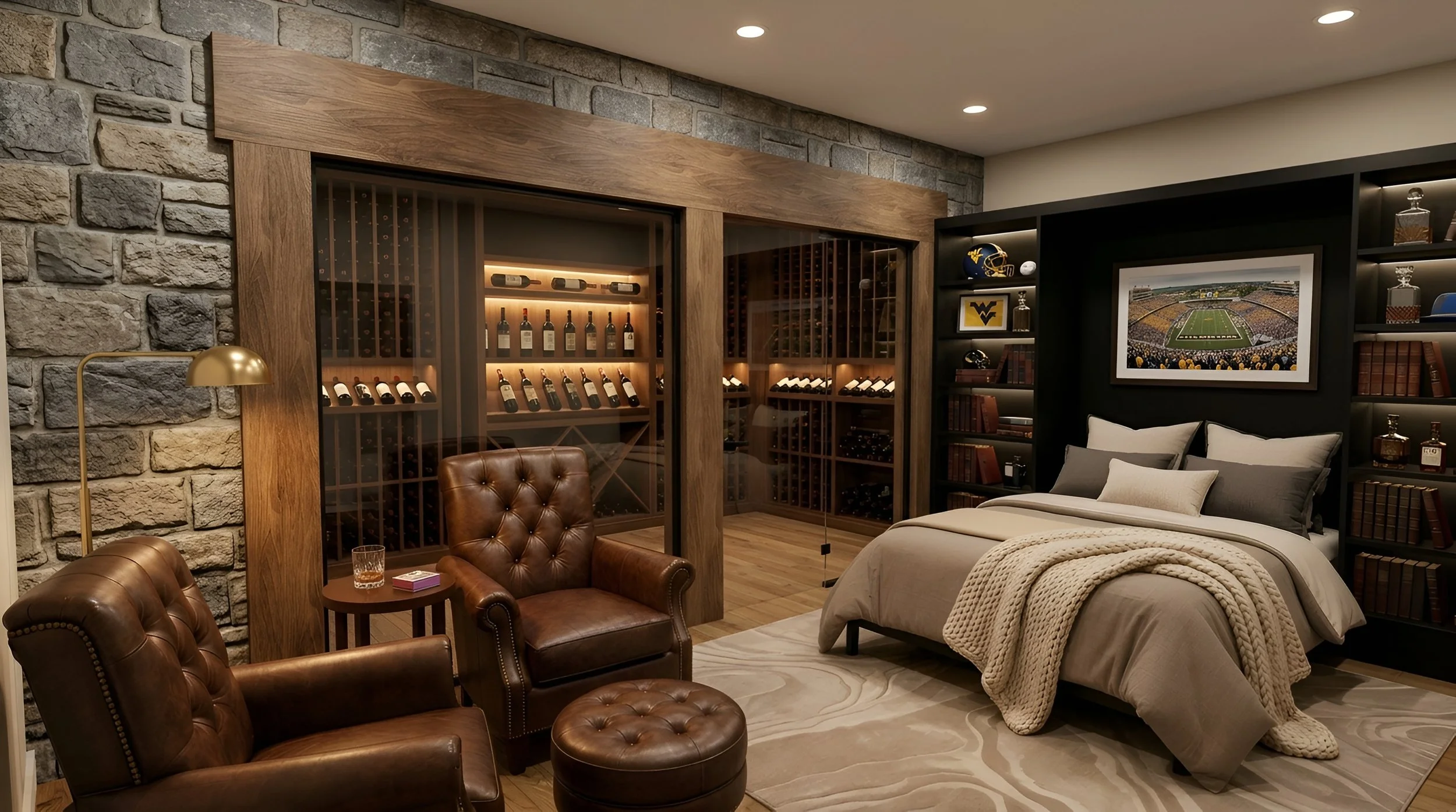
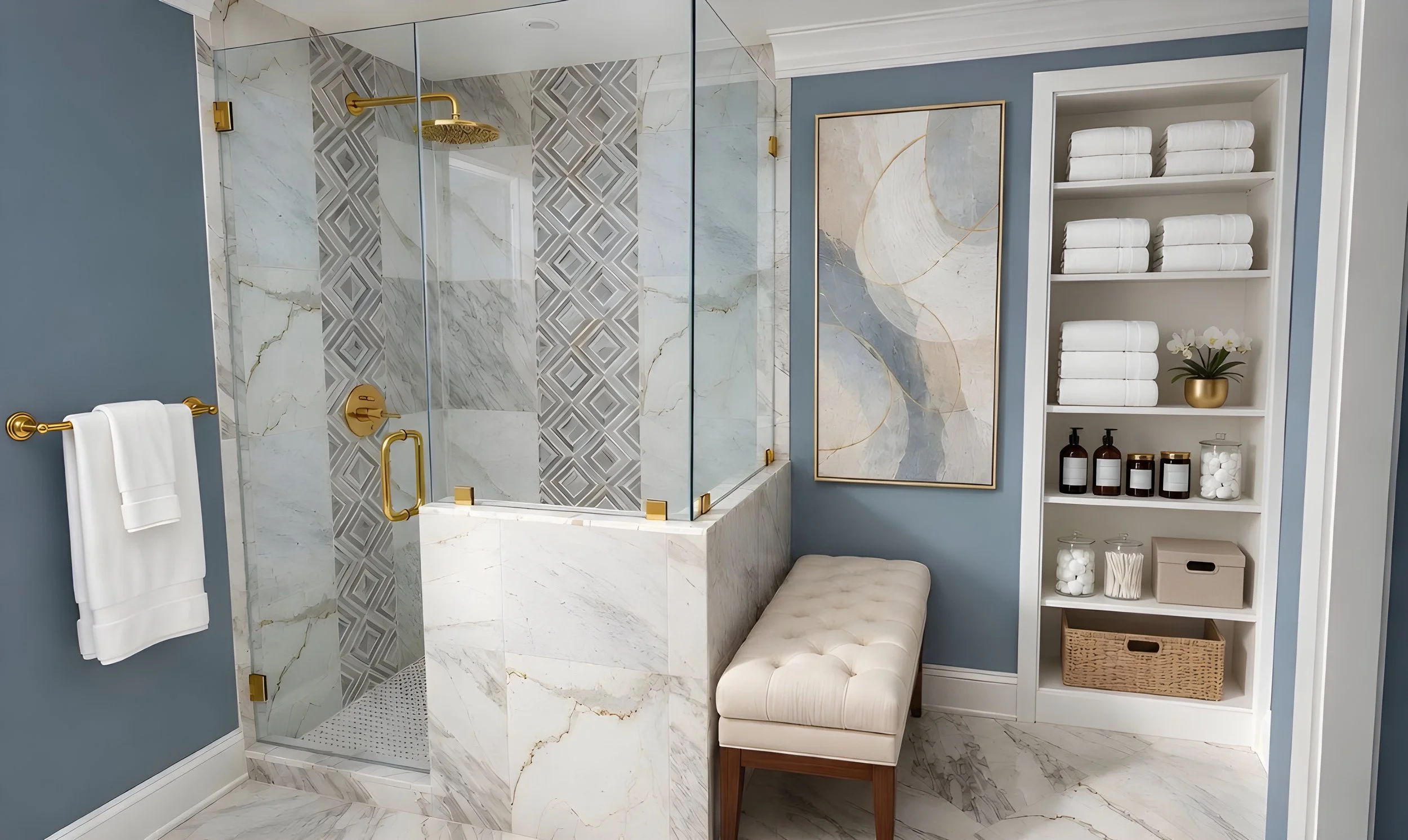
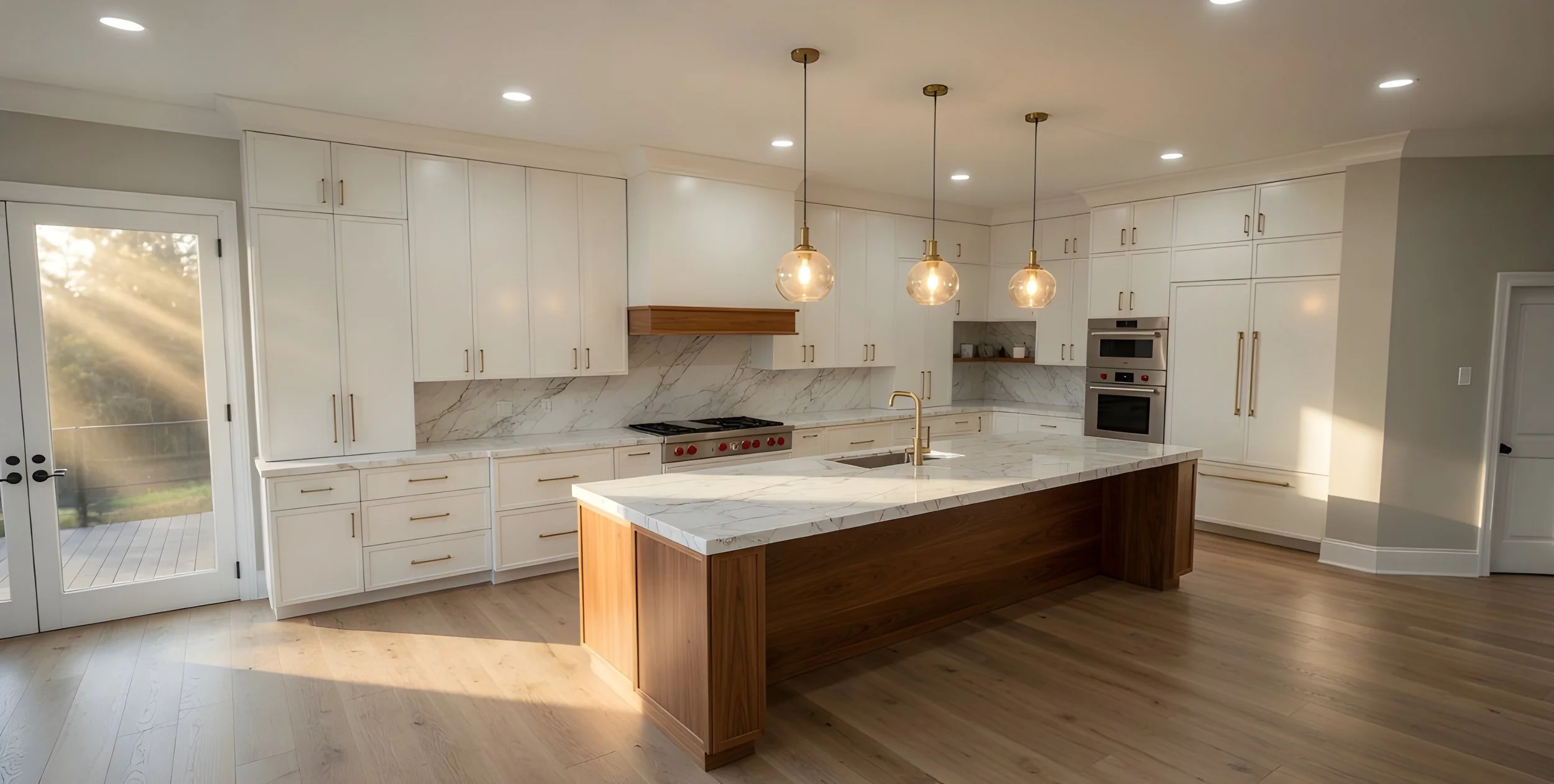
For clients who would like an even more immersive visualization experience, one enhanced photorealistic rendering of the final approved design concept is included with each design package. These visualizations are created using the approved 3D model as a foundation, ensuring that the layout, dimensions, proportions, and design intent remain consistent with the original plans. Realistic materials, textures, lighting, furnishings, décor, and styling elements are then applied to create a highly detailed representation of the finished space. Additional photorealistic renderings, alternative design concepts, or additional viewpoints are available for an additional fee.
Photorealistic renderings allow clients to better understand how colors, finishes, cabinetry, countertops, lighting, furniture, and decorative elements may work together in a completed room. While they are not construction documents and should not be interpreted as exact product specifications, they provide a valuable tool for visualizing the overall aesthetic, atmosphere, and functionality of a design before selections are finalized and work begins.
Many clients find that photorealistic renderings help bridge the gap between technical drawings and the finished result, making design decisions feel more tangible and reducing uncertainty throughout the planning process. While not required for a successful project, these visualizations can be especially helpful for larger renovations, kitchens, bathrooms, basements, and custom spaces where seeing the design come to life can provide additional confidence before construction begins.
Photorealistic renderings are intended as a visualization aid and may include representative furnishings, accessories, artwork, lighting, and styling elements that help communicate the overall design vision. Final products, materials, and finishes are subject to client selections, manufacturer availability, contractor installation methods, and project-specific conditions.